
Dry Needling Gothenburg
What is dry needling?
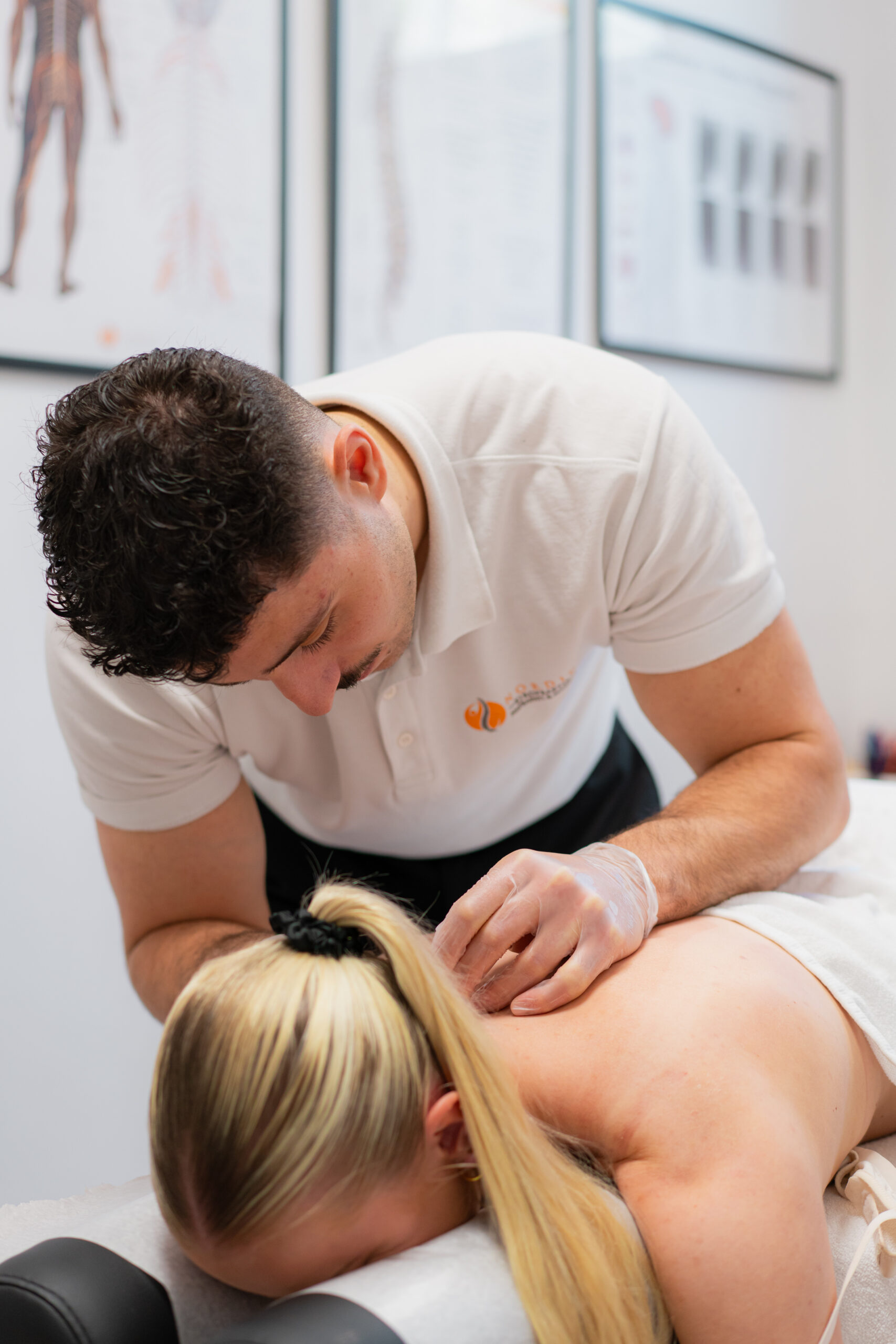
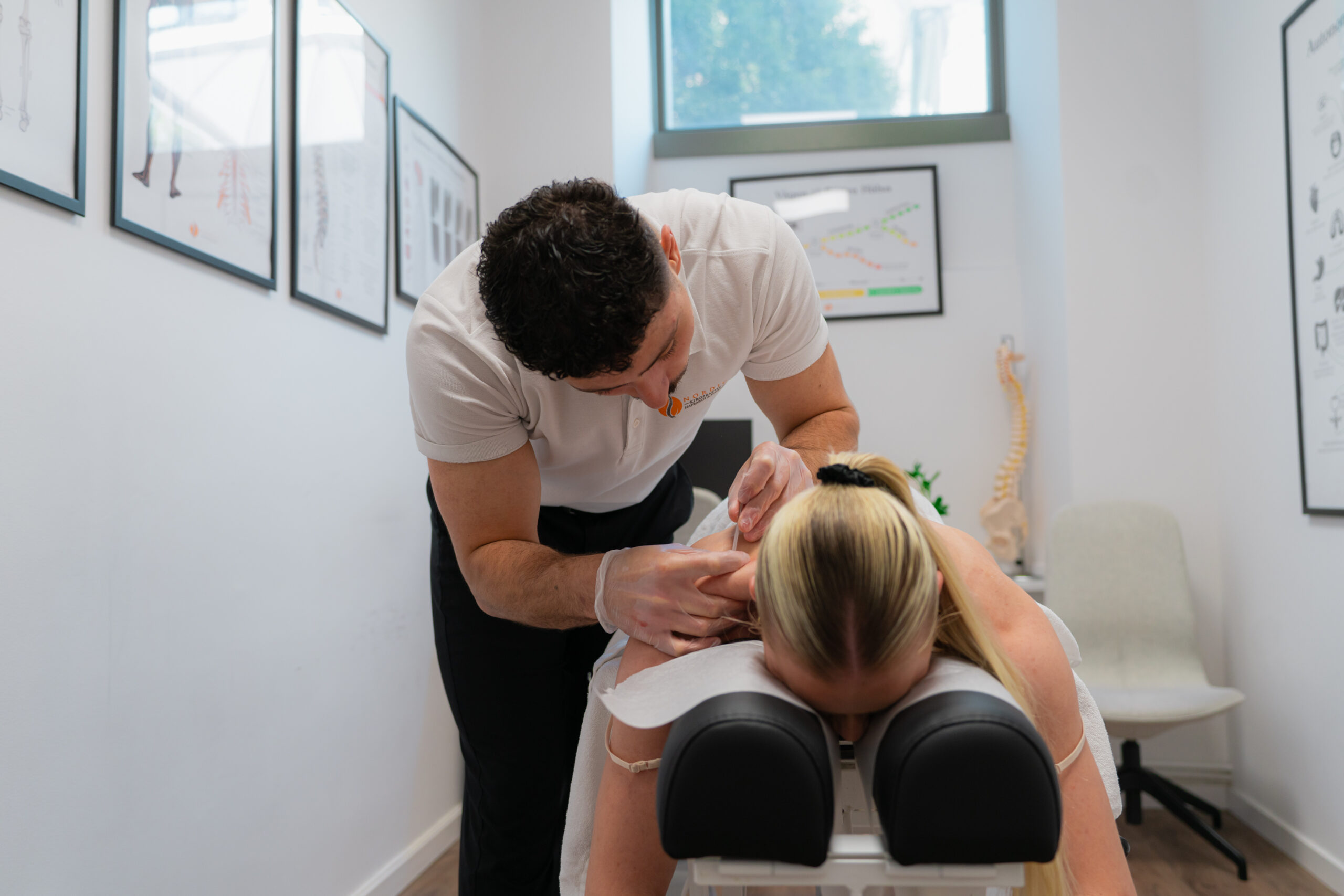
Dry needling is a treatment method in which thin, sterile needles are inserted into tense muscles to address so-called trigger points. The technique can also be used to stimulate blood circulation in a specific area and reduce muscle tension, even when the focus is not on a single trigger point.
Trigger points are tender, tense areas within muscles that can contribute to pain and impaired function. They may develop due to factors such as overuse, prolonged stress, repetitive working postures, sleep deprivation, or following an injury. Dry needling is frequently used as part of a treatment plan for issues involving muscles, tendons, ligaments, fascia, and scar tissue—particularly in cases of various musculoskeletal pain conditions.
Upon needle insertion, you may occasionally feel the muscle contract briefly. This is known as a ”local twitch response”—an involuntary reflex that can occur when the needle makes contact with a trigger point. This is a normal reaction and is typically transient.
The stimulation provided by the needle affects both the muscle and the nervous system. It can help reduce muscle tension, improve blood circulation, and activate the body’s own pain-relieving mechanisms. The goal is to restore more normal muscle function and alleviate pain, enabling you to move more easily and return to your daily activities or exercise routines.
At our clinic in Gothenburg, dry needling is always applied following an individual assessment and as part of a comprehensive evaluation. The treatment is often combined with exercises, manual therapy, and professional guidance to ensure the best possible outcomes.
Who needs dry needling?
Dry needling is frequently used to treat a variety of symptoms and conditions related to muscle tension, pain, and movement restrictions. Here are some common symptoms and conditions for which dry needling may be beneficial:
- Muscle tension: Dry needling can be used to alleviate muscle tension and knots that may cause pain and discomfort.
- Tension headaches and migraines: Dry needling can help reduce tension in the neck and shoulders, which in turn may decrease the frequency or intensity of tension headaches and migraines.
- Neck and back pain: For individuals with chronic neck or back pain, dry needling can be part of a comprehensive treatment plan to relieve pain and improve mobility.
- Sports injuries: Dry needling is sometimes used to treat sports-related injuries, such as muscle strains or overuse injuries.
- Rehabilitation: Dry needling can be incorporated into rehabilitation programs following injuries or surgical procedures to improve mobility and muscle function.